
Myofascial Release and Muscle Recovery Tools
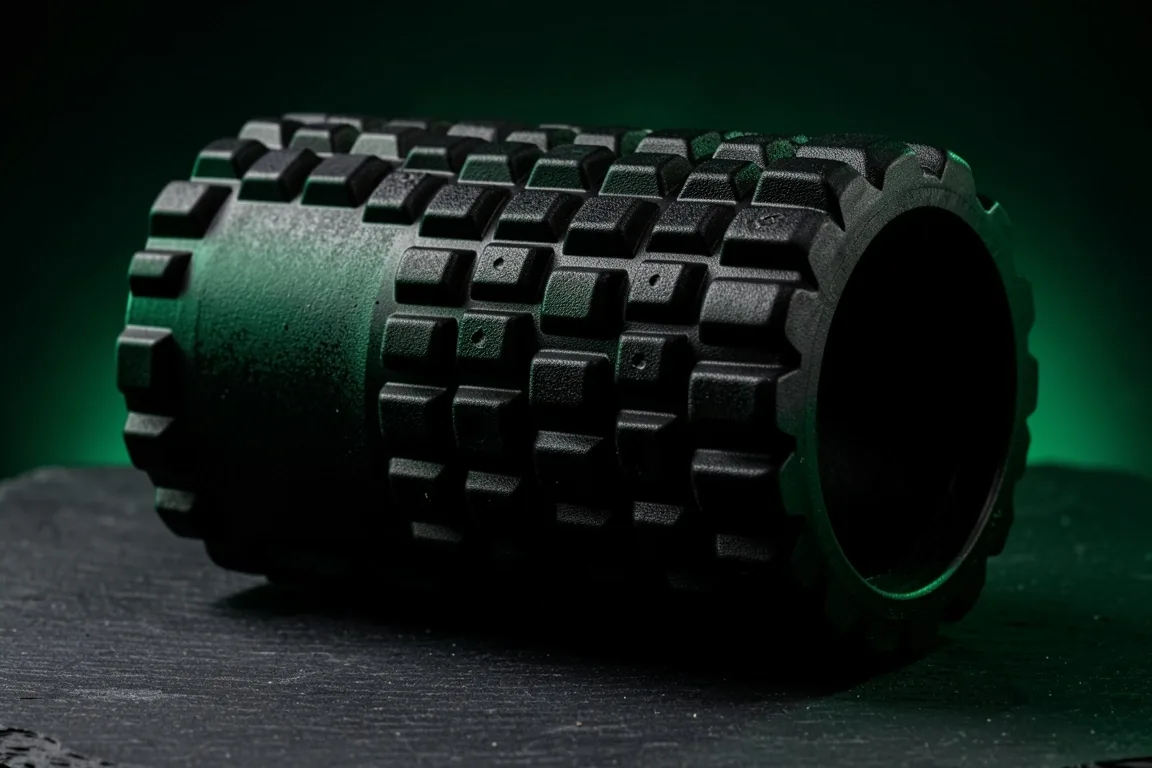
Myofascial release (MFR) is a technique used to alleviate muscle tightness and improve the sliding surfaces of internal tissues. At FlexFlow, we provide a comprehensive range of tools including foam rollers and specialized massage balls designed to help you manage muscle knots and localized tension. These products are selected for their ability to provide consistent, firm pressure to the soft tissue, aiding in the transition from post-workout fatigue to a state of readiness.
Choosing the Right Tool for the Job
Each tool in our MFR range serves a distinct purpose based on the size of the muscle group and the depth of pressure required. Use the guide below to match a tool to your routine.
High-Density Foam Rollers
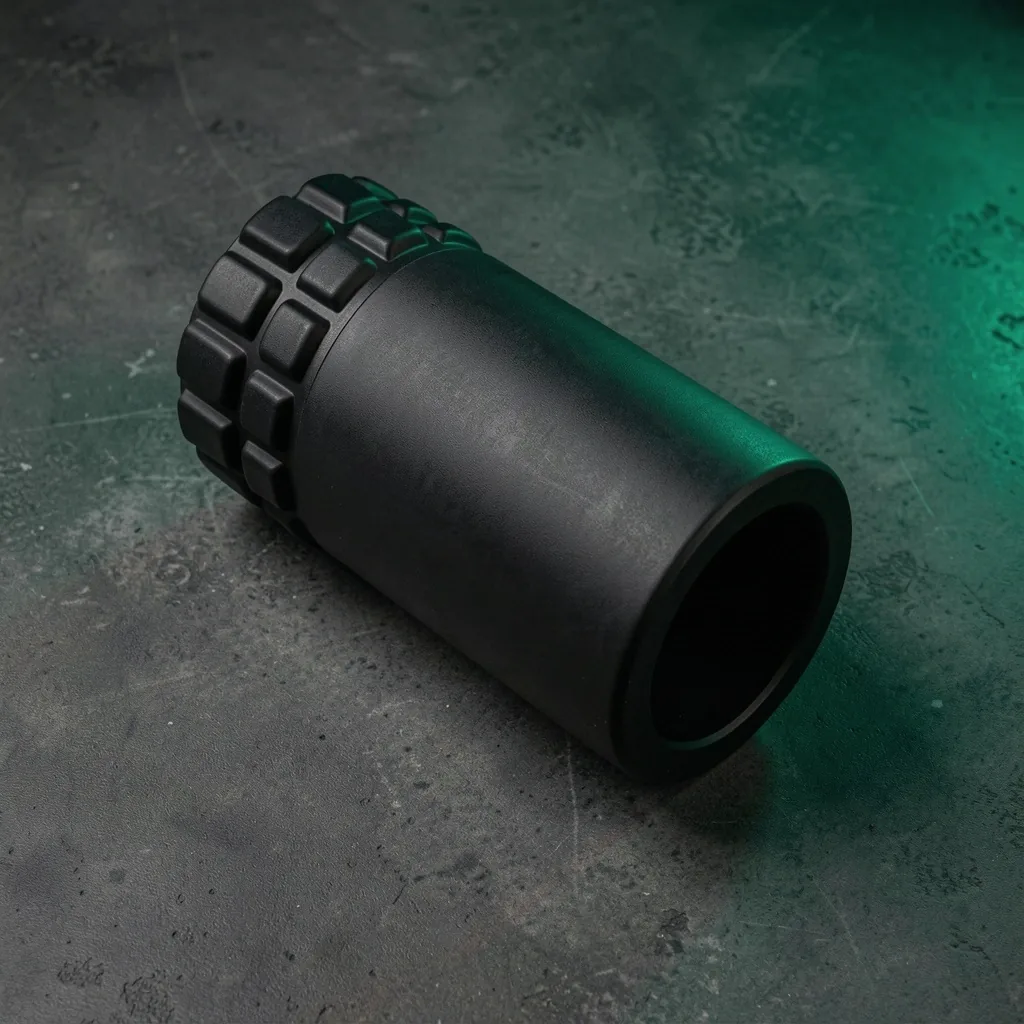
The standard foam roller is the most versatile tool for large muscle groups like the quadriceps, hamstrings, and upper back. Our rollers are constructed from high-density materials that do not lose their shape under heavy use. By using your body weight to apply pressure against the roller, you can identify and address areas of restricted movement, facilitating better circulation and tissue health.
Peanut Massage Balls
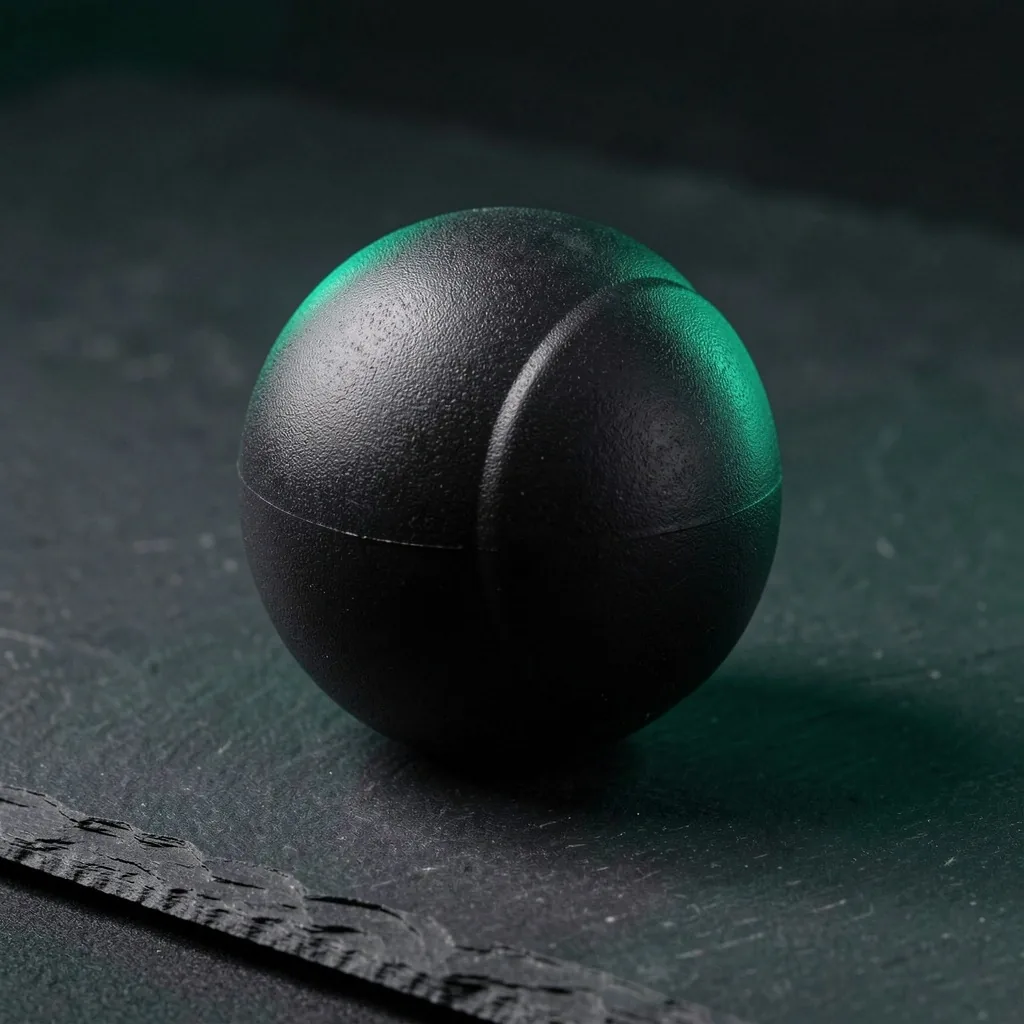
The peanut massage ball is specifically shaped to cradle the spine, allowing for targeted release of the paraspinal muscles without putting direct pressure on the vertebrae. This tool is essential for those who experience stiffness in the thoracic or lumbar regions. Its dual-sphere design provides a stable base for deep tissue work that a single ball cannot achieve.
Precision Massage Balls
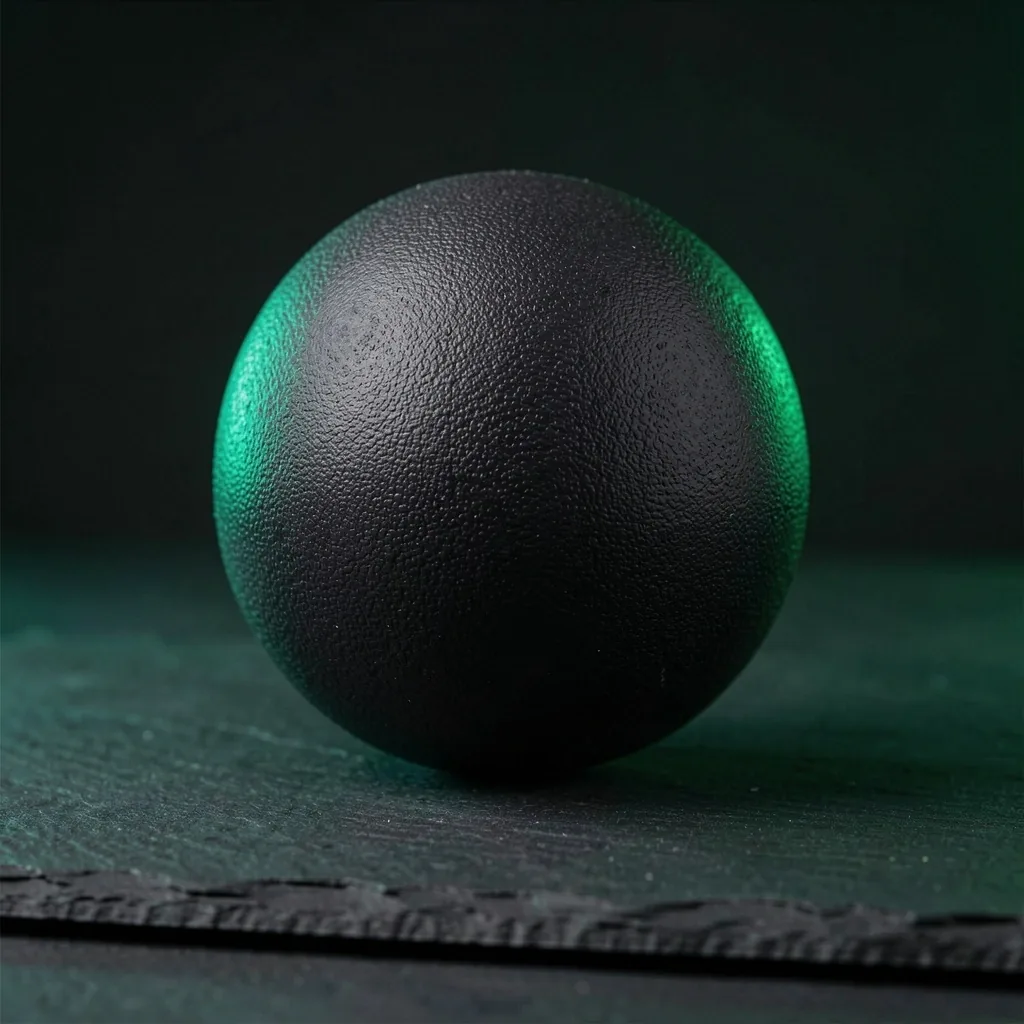
For smaller, harder-to-reach areas like the glutes, shoulders, or the soles of the feet, a single massage ball offers the highest level of precision. These tools allow for concentrated pressure on specific trigger points or muscle knots. They are compact enough to be used against a wall or on the floor, making them an ideal choice for localized tension release.
Textured vs. Smooth Rollers
We offer both smooth and textured rollers to suit different preferences. Smooth rollers provide an even distribution of pressure, which is often preferred for sensitive areas or beginners. Textured rollers, featuring grids or knobs, mimic the fingers and palms of a massage therapist, providing a more intense sensation that reaches deeper layers of tissue.
Both surfaces use the same closed-cell high-density foam core. The difference is entirely in the outer profile — choose based on how much feedback you want from each pass.
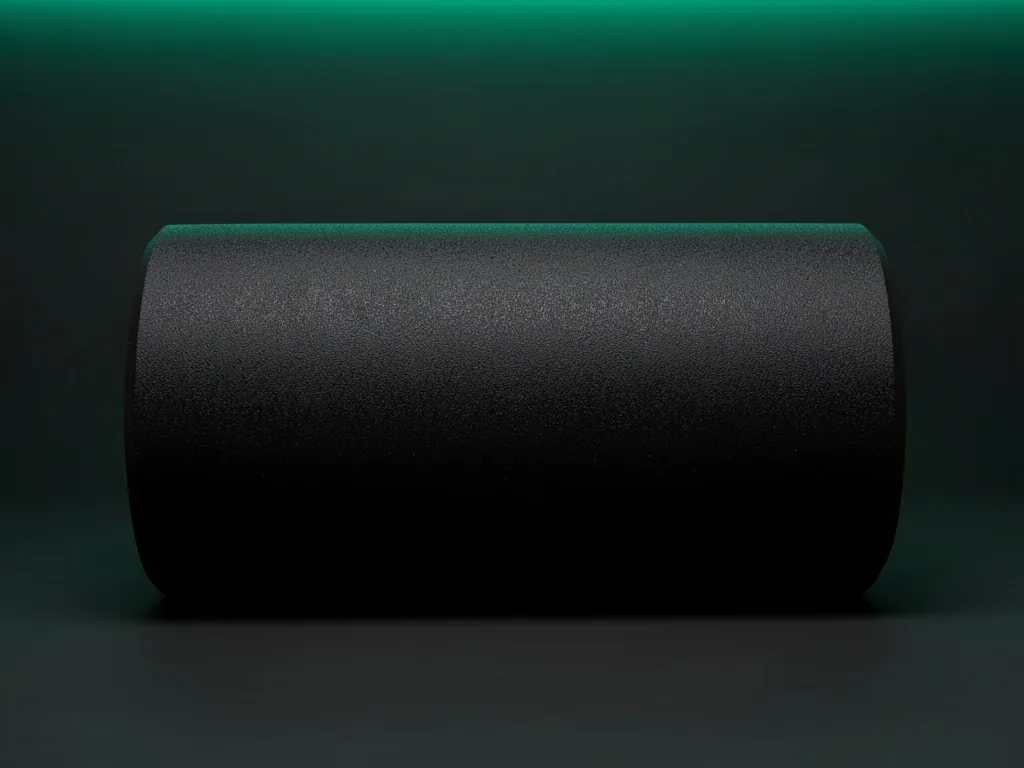
Smooth Surface
- Even pressure distribution across the full contact area
- Lower intensity — preferred for sensitive areas or beginners
- Consistent roll without peaks or ridges
- Good starting point if you are new to foam rolling exercises
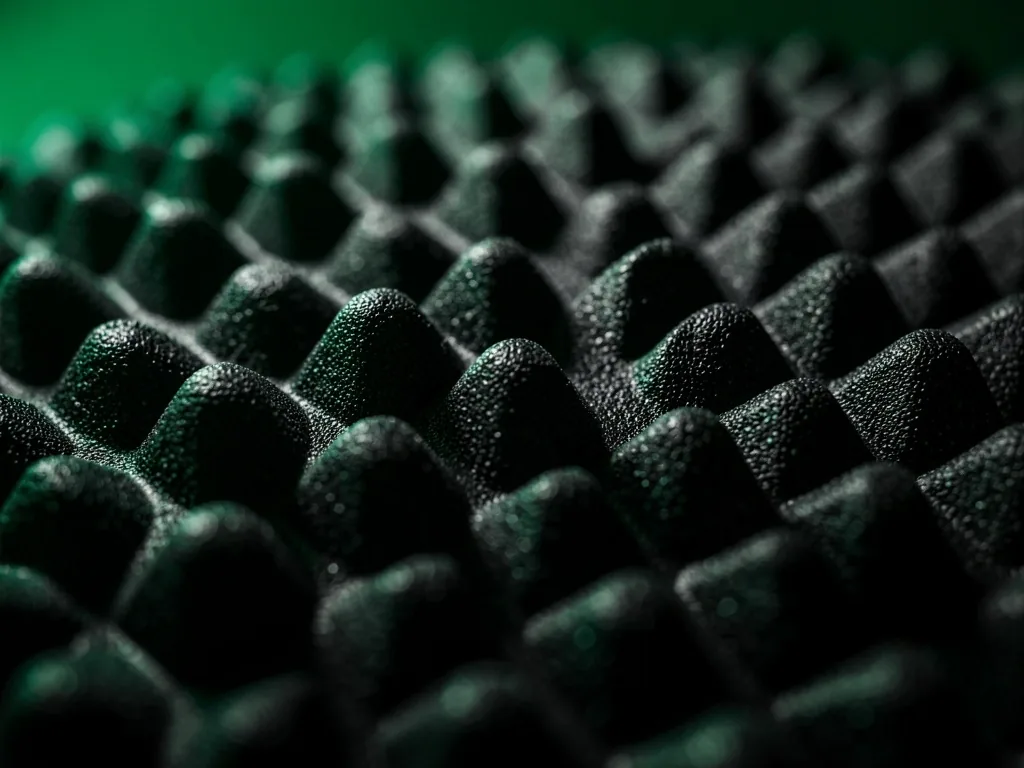
Textured Surface
- Grid knobs and ridges mimic fingers and palms for deeper work
- More intense sensation reaching deeper tissue layers
- Helps address stubborn areas of restricted movement
- Suited for users who already tolerate firm pressure comfortably

How to Release Muscle Knots
Muscle knots, or trigger points, are areas of high tension that can refer discomfort to other parts of the body. Learning how to release muscle knots using our MFR tools involves finding the point of tension and applying sustained, static pressure until the tissue softens. This process helps in restoring normal movement patterns and reducing overall physical stress.
The key is consistency rather than force. Slow, sustained pressure held for thirty to sixty seconds on a single spot allows the tissue time to adapt and release. Moving too quickly across a knot often skips past the restriction without addressing it.
Locate the tight spot
Roll slowly across the muscle group until you find a concentrated area of tension.
Hold sustained pressure
Pause directly on the point and let your body weight settle into the tool for up to sixty seconds.
Wait for the tissue to soften
Breathe steadily until you feel the knot release, then continue rolling to the next area.
Built for Daily Recovery Work
Durability and Material Integrity
Recovery tools are subject to significant mechanical stress. Our MFR range is built from closed-cell foam and heavy-duty plastics that resist moisture and bacteria buildup. This ensures that the equipment remains hygienic and structurally sound even after hundreds of hours of use in a home or gym environment.
Integration with Training
Myofascial release is most effective when integrated into a broader training program. Using a muscle massage roller as part of a warm-up can help prepare the tissues for exercise, while post-workout sessions focus on calming the nervous system and initiating the recovery process. Our tools are designed to facilitate both approaches.
Short, dynamic passes to increase local blood flow and prepare tissue for load.
Slower, sustained pressure to calm the nervous system and begin the recovery window.
Portable Recovery Solutions
Many of our MFR tools are sized for portability. Whether you are heading to the gym or traveling for work, items like the peanut ball or mini-rollers fit easily into a bag. Maintaining your recovery routine while away from home is one of the most effective ways to prevent the buildup of chronic tension.
Choosing Your Density and Routine
Q How firm should my foam roller be?
It depends on your experience. Beginners often start with a medium-density roller to allow the body to adapt, while regular users may prefer a high-density version for deeper pressure. If you are new to foam rolling exercises, a medium-density smooth roller is the most forgiving entry point. As your body adapts and you want more feedback from each pass, you can move to a high-density or textured surface.
Q Can I use massage balls every day?
Yes, many people use them daily for short periods to address specific spots of tension, provided the pressure does not cause significant discomfort. A common approach is two or three minutes per area, focusing on the spots that feel most restricted. If you find an area that remains stubbornly tight after several sessions, ease off rather than increasing force.
Q What is the difference between a peanut ball and a single ball?
A peanut ball has two connected spheres that cradle the spine, making it the right choice for the paraspinal muscles along the back. A single ball is better for areas where you want pinpoint pressure — the glutes, shoulders, or soles of the feet. Many people keep both in their kit for different parts of the body.
If you are unsure which density, size, or surface texture suits your routine, we can talk you through the options. Reach out and we will help you match a tool to your training.
33 Active Zone, Riverside, Liverpool, L3 4AQ, United Kingdom
Mon–Fri: 9:00–18:00
View All MFR Tools
The complete FlexFlow range of rollers and massage balls for myofascial release and muscle recovery.