
Technique Library
Techniques for Recovery and Mobility
The best equipment is only effective when used with the correct technique. FlexFlow provides educational resources to help you maximise the benefits of your foam rollers, massage balls, and stretching gear — structured routines you can implement at home to improve flexibility and manage muscle tension.
Guide Index
Foam Rolling Exercises
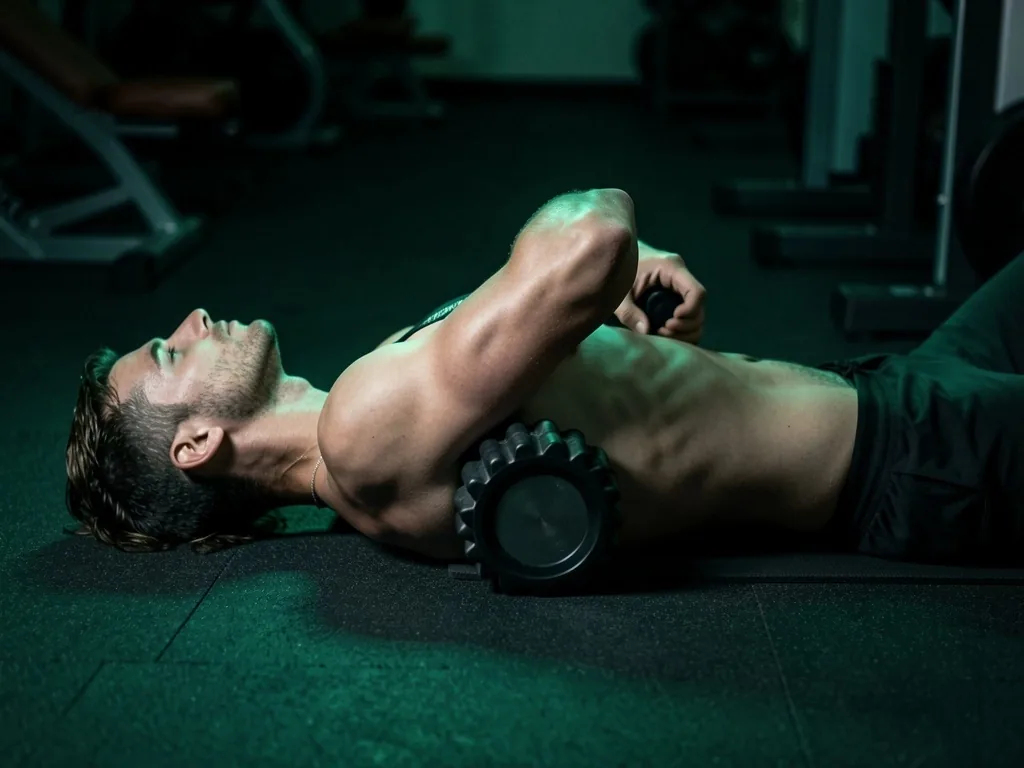
Foam rolling is more than just rolling back and forth. To get the most out of a muscle massage roller, you must learn to use slow, deliberate movements and controlled breathing. Our guides explain how to address specific muscle groups — the IT band, lats, and calves — ensuring you apply the right amount of pressure for effective release.
The key is patience. Move no more than two centimetres per second along the muscle belly. When you find a dense spot, pause and breathe into it for 30–60 seconds before continuing. This sustained pressure signals the fascia to soften, which is more productive than fast, aggressive rolling that only gors the surface.
Explore Mobility TipsStretching for Beginners
If you are just starting your flexibility journey, it is important to begin with foundational movements that do not overtax the body. Our stretching for beginners guide focuses on simple, effective holds that target the major muscle groups.
We emphasise the importance of feeling the stretch without reaching a point of strain. Hold each position for 20–30 seconds, breathe steadily, and let the muscle lengthen gradually. Stretching equipment like resistance bands can help you reach positions safely without forcing the range — your body will adapt faster when it feels secure, not under threat.
View Stretching Routines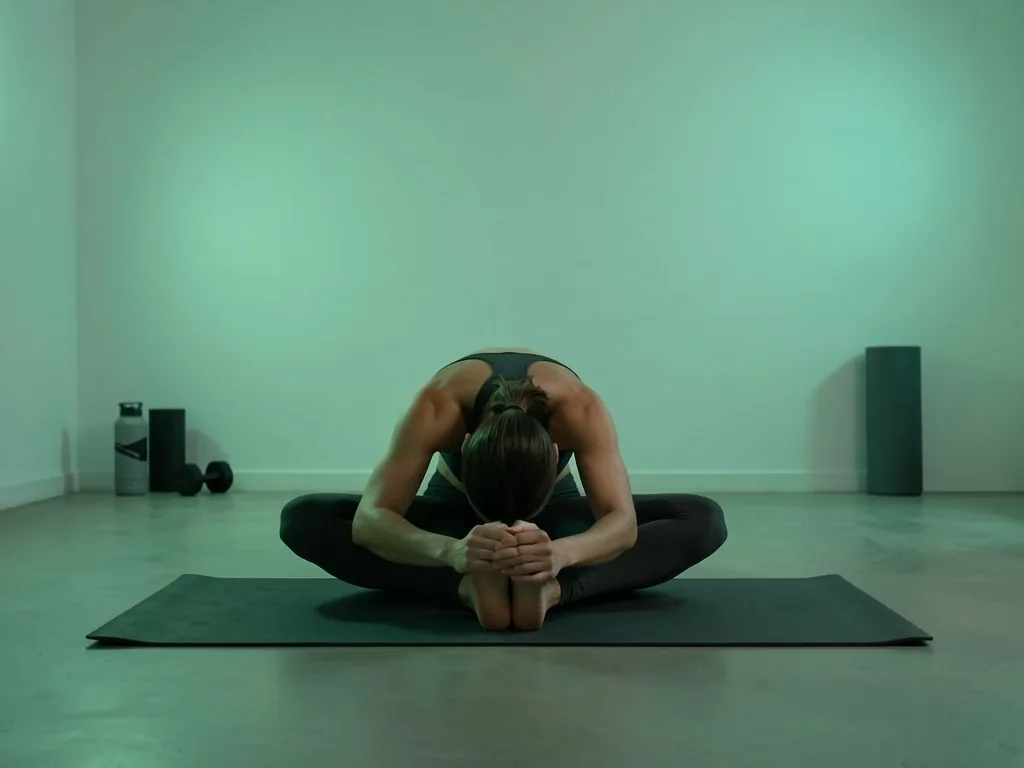
Post-Workout Recovery Routines
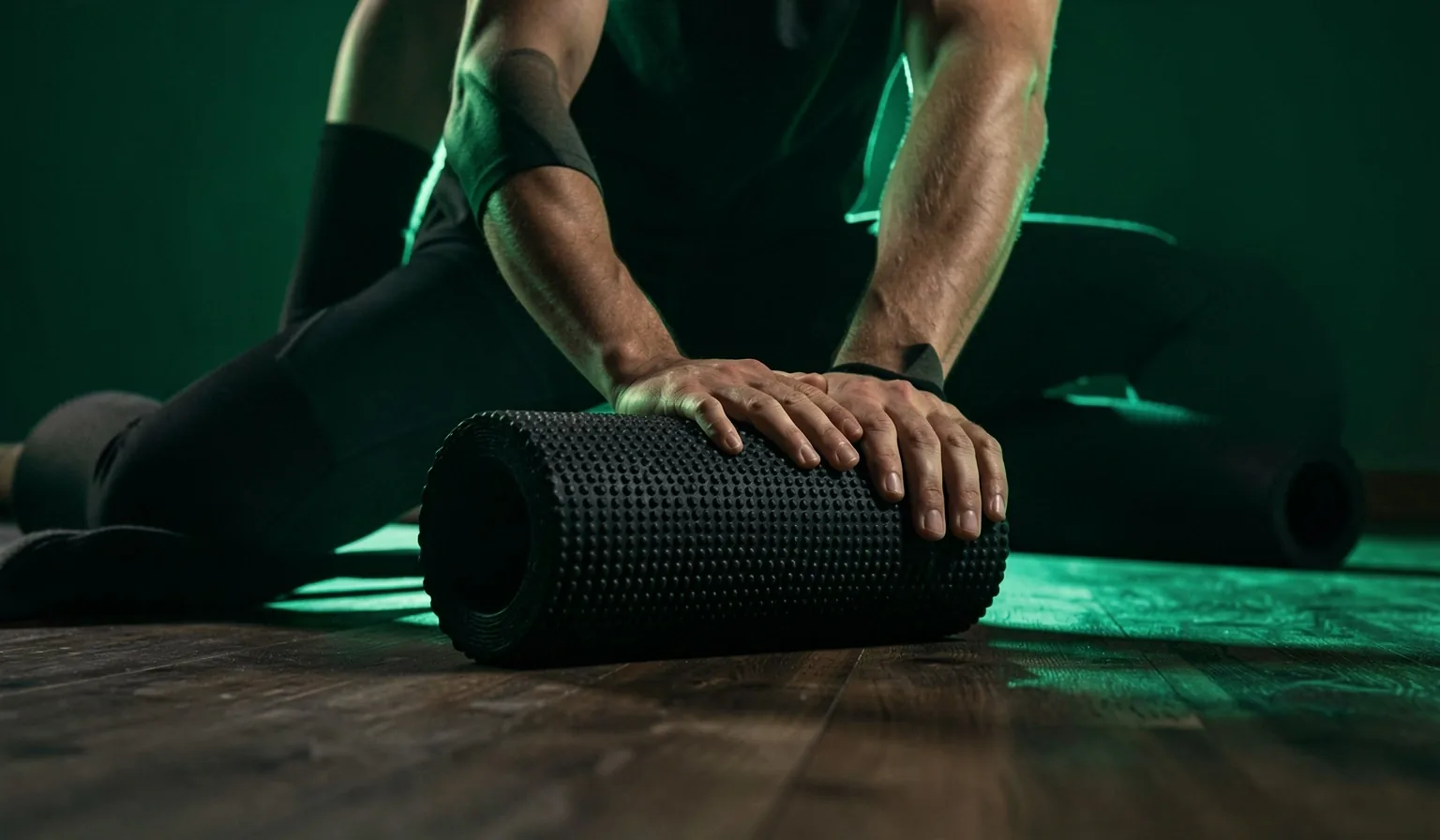
The 20 minutes following a workout are a critical window for recovery. We provide routines that combine light stretching with myofascial release to help kickstart the body's repair process. These routines are designed to lower your heart rate and address the specific muscles used during your training session — whether it was a run, a weight session, or a yoga class.
A typical post-workout sequence takes 10–15 minutes. Start with five minutes of slow, deep breathing in a comfortable seated position. Follow with foam rolling on the primary muscle groups you trained, spending 60–90 seconds per area. Finish with two or three gentle static stretches held at a comfortable intensity. The goal is to leave the session feeling more settled than when you started — not to push deeper into fatigue.
Managing a Stiff Back
Stretching for a stiff back requires a gentle, progressive approach. Our guides demonstrate how to use back support cushions and peanut balls to safely mobilise the spine. By focusing on decompression and light rotation, you can help alleviate the tightness caused by long periods of sitting or intense physical activity.
Place the peanut ball along the spine — one lobe on either side of the vertebrae — and slowly roll from the mid-back to the base of the ribs. Avoid rolling directly on the lower back or neck. Breathe slowly and let gravity do the work; the two-lobed shape cradles the spinous processes so pressure lands on the surrounding muscle instead.
Releasing Deep Muscle Knots
Deep tissue work requires patience and precision. Our guides on how to release muscle knots using massage balls provide step-by-step instructions on locating trigger points and applying the correct amount of static pressure. This technique is essential for addressing chronic areas of tension that standard stretching might miss.
Once you locate a knot, hold still on it for 30–90 seconds. The sensation should be intense but manageable — never sharp. As the tissue softens, you can gently increase pressure by shifting your body weight. If the sensation does not ease after a full minute, back off and try a different angle or a softer ball.
Muscle Recovery Science
Understanding the mechanics of muscle recovery helps in staying consistent with your routine. When you use myofascial release tools, you are encouraging the sliding of fascial layers and improving local circulation. Our content explains these processes in plain English, helping you understand how each tool contributes to your overall physical readiness.
Fascia is the connective tissue that wraps around every muscle fibre. When it becomes dense or sticky from repetitive movement or inactivity, it restricts how far a muscle can lengthen. Sustained pressure from a foam roller or massage ball introduces fluid between the layers, allowing them to glide over one another again. Better glide means smoother movement, less resistance, and a wider range of motion — without forcing a stretch your body is not ready for.
Explore Mobility Tips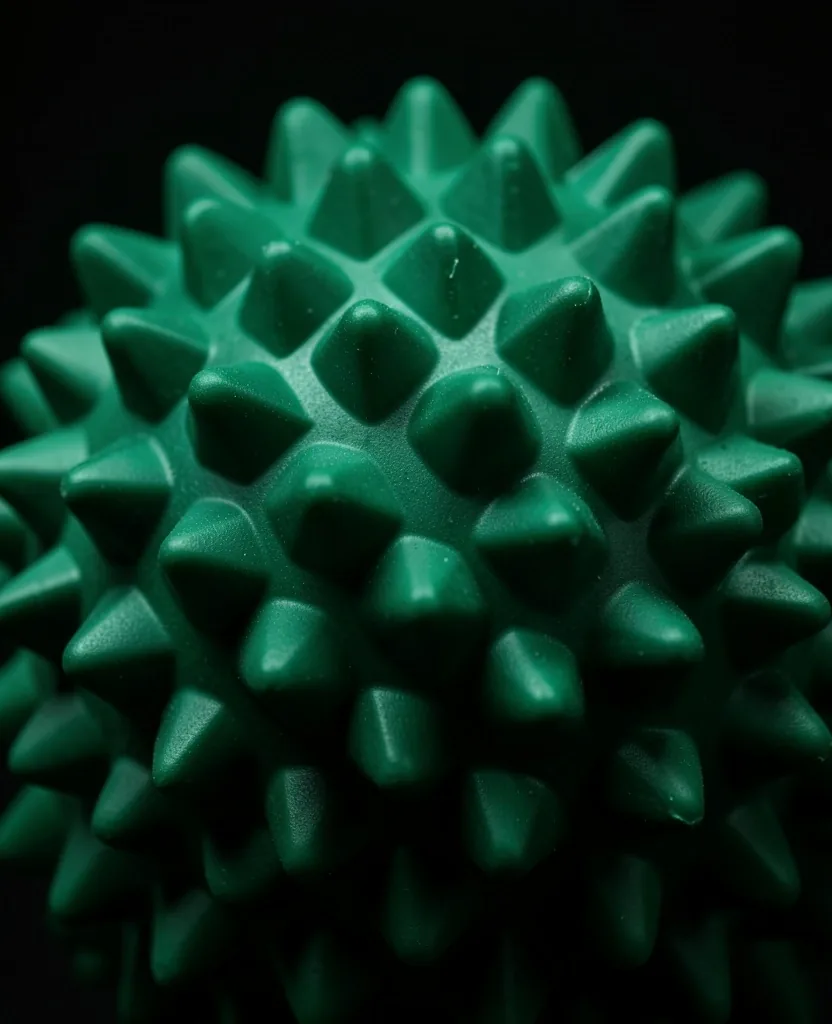
Mobility for Longevity
A body stretching routine is an investment in your future self. We provide content focused on long-term mobility, showing how daily maintenance can prevent the gradual loss of range of motion that often comes with age. These guides are designed to be accessible, requiring nothing more than a few pieces of FlexFlow equipment and a quiet space.
Mobility is not the same as flexibility. Flexibility is how far a muscle can stretch; mobility is how well a joint moves through its full range under control. A sustainable practice addresses both — gentle stretching to lengthen tissue, and active movement to train the joint to use that new range. Mobility tools for seniors follow the same principles, with softer surfaces and shorter holds to match varying comfort levels.
Ten minutes a day, done consistently, outperforms an occasional hour-long session. Your nervous system adapts to regular, gentle input far better than to infrequent intense effort. The goal is not to touch your toes by Friday — it is to still be able to touch them in twenty years.
What You Need
-
One foam roller or muscle massage roller for broad muscle groups
-
One peanut or single massage ball for targeted release work
-
A yoga mat or pilates mat for a stable, comfortable surface
-
A quiet ten minutes — no music, no screens, no rush
Building Your Own Routine
No two bodies are the same, which is why we encourage you to build a personalised recovery routine. By selecting movements that address your specific areas of tightness, you can create a highly efficient 10–15 minute daily practice. Our guides offer a menu of options that you can mix and match based on your needs.
Phase 01
Scan
Spend two minutes rolling slowly through each major muscle group. Note where movement feels restricted or dense — those are your target areas for the session.
Phase 02
Release
Pause on the tightest spots with a massage ball or peanut ball. Hold each point for 30–90 seconds, breathing steadily, until the intensity eases.
Phase 03
Lengthen
Follow each release with a gentle stretch for the same area. The tissue is now more receptive, so you gain range without forcing it.
Phase 04
Move
Finish with two minutes of controlled movement through your new range — slow squats, easy lunges, or arm circles. This teaches your body to use the mobility you just opened up.
Continue Learning
Find the Right Tools for Your Routine
Every guide on this page pairs with specific equipment from the FlexFlow range. Browse our myofascial release tools, stretching gear, and support products to build the kit that matches your recovery goals.
Address
33 Active Zone, Riverside
Liverpool, L3 4AQ
United Kingdom
Contact
Hours
Mon–Fri: 9:00–18:00